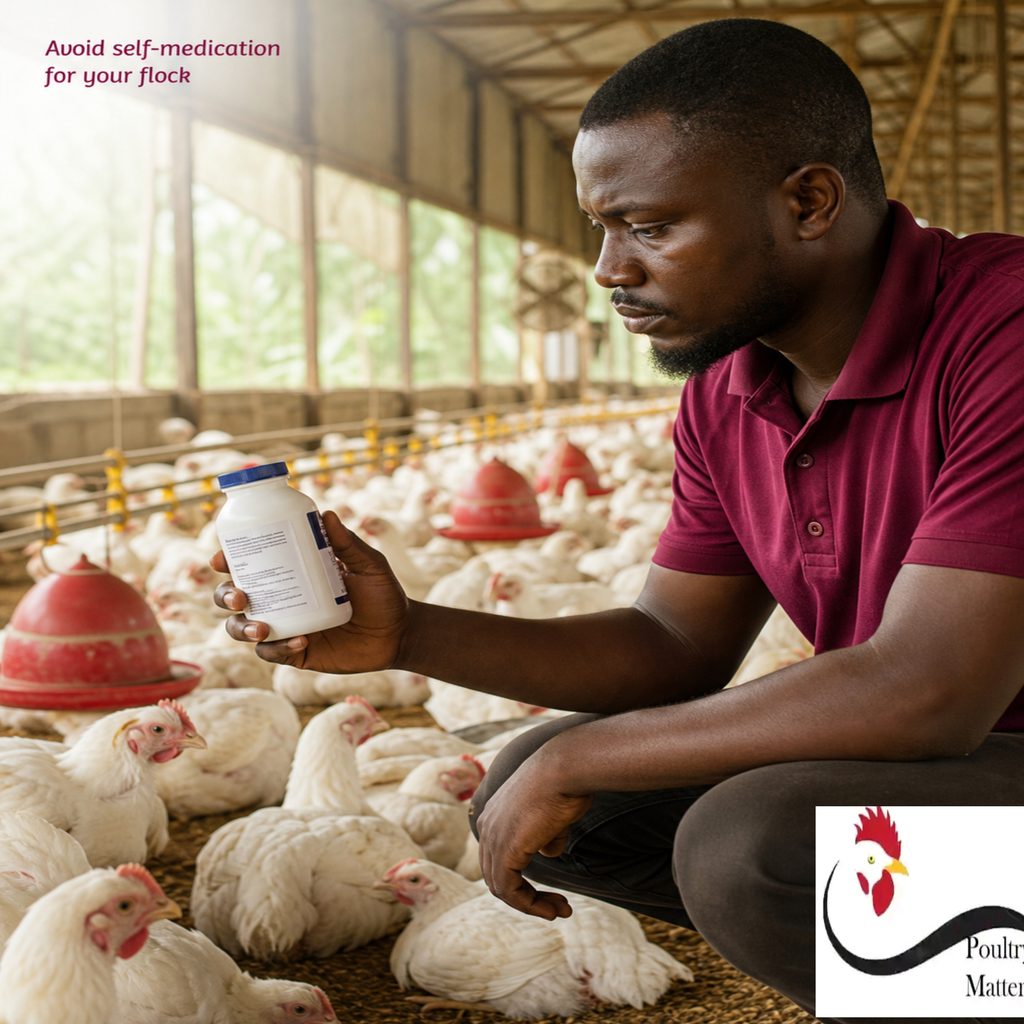
Understanding the science behind antibiotics can help poultry farmers avoid ineffective treatments, reduce unnecessary expenses and make better decisions about flock health.
When poultry birds become sick, the first instinct for many farmers is to reach for medication. Antibiotics are often among the first options considered, especially when birds show respiratory signs, weakness, reduced appetite or increased mortality but there is an important question every poultry farmer should ask – What if the disease affecting the birds is caused by a virus? Understanding the answer could change how you approach poultry health management.
Difference between antibiotics and virus
Antibiotics are medicines designed to kill susceptible bacteria or stop them from multiplying. They do not act against viruses.
Bacteria are living, single-celled organisms with structures and processes that certain antibiotics can target. Viruses are fundamentally different. They reproduce inside the cells of their hosts and do not have the same structures that antibiotics are designed to attack. This is why an antibiotic that works against a bacterial infection cannot eliminate a virus causing disease in a poultry flock.
The issue is not necessarily that the antibiotic is weak, the dosage is inadequate or the brand is ineffective. The medicine may simply be targeting the wrong type of pathogen. Common poultry diseases caused by viruses, include-
- Newcastle disease: Can cause respiratory, digestive and nervous-system signs, with severe cases resulting in high mortality.
- Infectious bronchitis: Primarily affects the respiratory tract and may also affect egg production or kidney function, depending on the virus strain.
- Gumboro disease (infectious bursal disease): Affects the immune system, particularly the bursa of Fabricius in young chickens.
These diseases differ in their effects, severity and management requirements. However, antibiotics do not directly eliminate the viruses responsible for them. For example, there is no medication proven to change the course of virulent Newcastle disease virus infection.
Why antibiotic may appear effective after us –
This is where farmers need to be particularly careful. Some viral infections can occur alongside secondary bacterial infections. When this happens, a veterinarian may recommend an appropriate antibiotic to manage the bacterial component.
The birds may then show some improvement because the bacterial complication is being controlled. However, that does not mean the antibiotic has cured the underlying viral disease. In other cases, birds may improve because of supportive care, changes in environmental conditions or the natural course of the illness. Improvement after medication does not, by itself, prove that the medication treated the original cause.
This distinction matters because a farmer who assumes that an antibiotic has cured a viral disease may repeat the same approach during a future outbreak, potentially delaying appropriate intervention.
Possible danger of using antibiotics wrongly –
Using antibiotics against a viral infection without a justified bacterial indication can create several problems.
- Unnecessary expenditure: Money is spent on medication that cannot eliminate the virus implying waste of the farm resources.
- Delayed intervention: The farmer may lose valuable time before implementing the appropriate disease-control measures.
- Antimicrobial resistance: Unnecessary or inappropriate antibiotic use can favour the survival and spread of resistant bacteria, making bacterial infections more difficult to treat.
- False confidence: Temporary improvement may be mistaken for complete recovery, even when the underlying disease remains active.
Responsible antibiotic use is therefore not simply about saving money. It is also about protecting the effectiveness of medicines that are genuinely needed to treat bacterial infections.
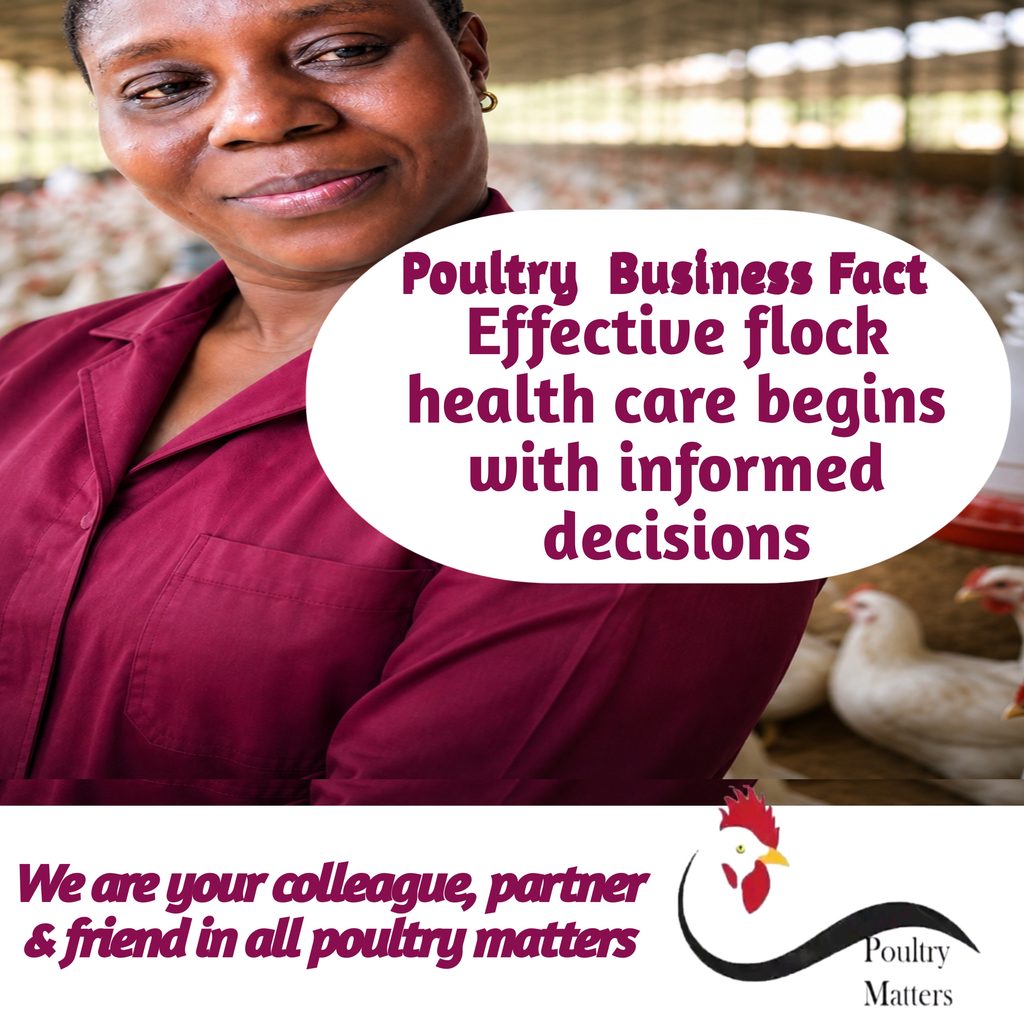
Recommended response to treating viral diseases in poultry –
The right response begins with careful observation, not automatic medication. This framework is recommended for effectiveness –
- Observe. Watch for changes in feed and water intake, behaviour, breathing, droppings, egg production and mortality.
- Record. Document when the signs began, how many birds are affected, changes in mortality and any treatments already administered.
- Seek professional assessment. Different diseases can produce similar signs. Consult a poultry veterinarian for appropriate diagnostic evaluation and guidance.
- Strengthen biosecurity. Restrict unnecessary movement of people, birds and equipment; maintain hygiene; and follow professional instructions on isolation and disease control.
- Review prevention. Maintain an appropriate vaccination programme, good nutrition, sound management and effective biosecurity. Vaccines are available for some viral diseases, but protection depends on the disease, vaccine timing and proper administration.
If severe causing unusual illness or sudden increases in mortality, contact a poultry veterinarian or the relevant veterinary authority promptly. Do not wait for an antibiotic trial to fail before seeking help. Remember that antibiotics may be appropriate when a bacterial infection is confirmed or reasonably suspected by a veterinarian. They should not be used as a substitute for diagnosing the problem.
Conclusion
Effective poultry health management is not about using more medication. It is about understanding the problem and choosing the appropriate response. Antibiotics have an important role in treating bacterial infections when indicated. but they cannot cure viral diseases simply because the affected birds are chickens.
The goal of this article is to move poultry entrepreneurs away from treating every symptom with the same medicine and promote decisions guided by observation, records, diagnosis and prevention.
A symptom is a clue, not a diagnosis. And a medicine is only useful when it is appropriate for the problem being treated.
At poultry_matters_gist, we believe better poultry farming begins with better-informed decisions.
Observe. Record. Respond.
Note – This article provides general poultry-health information and is not a substitute for veterinary diagnosis or treatment advice.
2. https://poultrygist.com.ng/poultry-respiratory-system-challenges/