The New Year is here, and it is the perfect time to set goals and improve productivity on your poultry farm. Whether you are just starting out or have years of experience – small, strategic adjustments can make a huge difference in flock health, egg production and overall farm profitability.
In this new year, these key strategies when proper practised will help you optimize your farm resource and yield better output
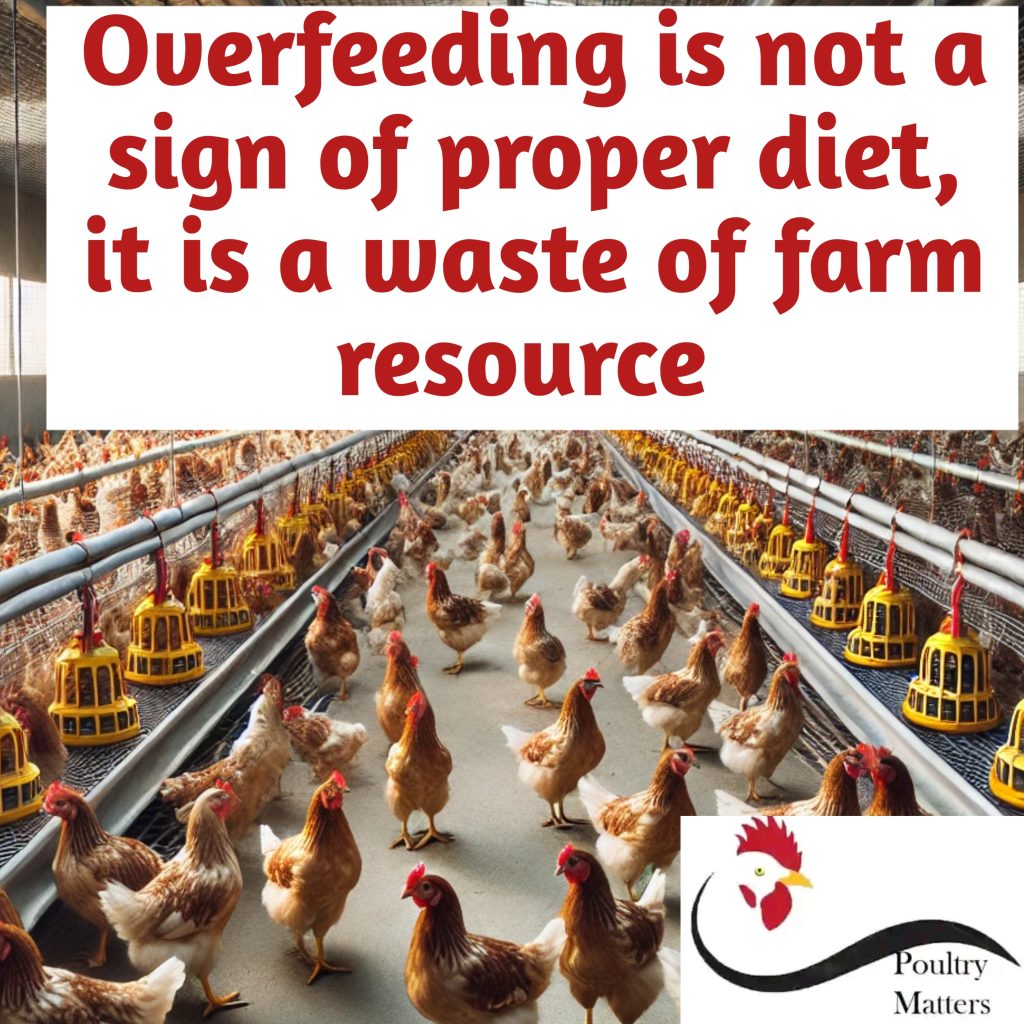
Optimize feed and water management –
Feed and water are the largest operational costs on any poultry farm, often accounting for 60–70% of total expenses. Efficient feed and water management not only reduces waste but directly improves growth rate, reduces mortality and maximizes productivity. Every drop of water and every grain of feed saved contributes directly to the farm profitability while keeping your flock healthy and productive.
Essential guidelines to optimize feed management include –
Provide Adequate Access –
- Ensure all birds can reach feeders and drinkers comfortably without crowding.
- Adjust feeder and drinker height to match bird size, preventing spillage and competition.
Monitor Consumption Daily –
- Track feed and water intake to detect sudden changes, which can indicate health issues or environmental stress.
- Use this data to adjust feeding schedules or ration sizes, minimizing wastage.
Maintain Cleanliness –
- Replace spilled feed and keep litter dry to prevent contamination.
- Clean and disinfect waterers regularly to avoid disease and maintain water quality.
Feed Quality and Formulation –
- Provide balanced diets suited to the birds’ age and production stage.
- Consider feed additives to improve digestion, immunity and feed conversion ratios.
Reduce Waste:
- Avoid overfilling feeders. Filling them to one-third or half capacity at a time can prevent spillage.
- Repair or replace leaking drinkers and feeders promptly.
Track farm performance –
You can’t manage what you don’t measure. Keeping records of key performance indicators allows you to spot problems early and take corrective action. Using a notebook, spreadsheet or farm app make tracking simple and efficient.
Metrics to track include –
- Daily feed and water intake – Monitoring feed and water consumption helps assess bird health, feeding efficiency and early signs of stress or disease. Sudden drops or increases often signal management or health issues that need immediate attention.
- Egg production (for layers) – Daily egg count and egg quality reflect the productivity of the flock. Consistent tracking helps identify the impact of nutrition, lighting, age and management practices on laying performance.
- Weight gain (for broilers) – Regular weighing of birds shows whether broilers are growing at the expected rate. Tracking weight gain supports proper feed formulation, optimal market timing and improved feed conversion efficiency.
- Mortality or sick birds – Recording daily mortality and observing sick birds helps detect disease outbreaks early. Prompt action reduces losses, improves biosecurity, and protects overall farm productivity.
Optimize housing conditions to improve birds’ comfort and performance
Healthy and comfortable birds perform better and deliver optimal productivity. Inadequate housing conditions can cause stress, feather pecking, increased disease risk, and reduced growth or egg production. To improve poultry house conditions, management should focus on the following:
- Clean, dry bedding and effective litter management – Proper litter management helps control moisture, ammonia buildup, and disease-causing organisms. Keeping bedding clean and dry supports bird comfort, reduces health challenges, and promotes better growth and laying performance.
- Adequate ventilation and natural lighting – Proper ventilation removes excess heat, moisture, dust, and harmful gases such as ammonia, creating a healthier environment for birds. Natural lighting supports normal feeding behavior, reduces stress, and helps regulate egg production in laying birds.
- Sufficient space per bird – Providing adequate floor and cage space reduces overcrowding, minimizes aggression and feather pecking, and allows birds to move freely. Proper stocking density supports better growth rates, improved feed efficiency, and lower disease transmission.
- Safe and comfortable nesting area – Well-designed nesting areas encourage clean, well-formed eggs and reduce egg breakage and floor laying. Nests should be easily accessible, well-bedded, and positioned in a quiet area to promote comfort and natural laying behavior.

Prevent disease through early detection and timely intervention
Early detection of health issues is critical to minimizing losses and maintaining high farm productivity. Many poultry diseases spread rapidly, making prompt observation and action essential. The following practices should be consistently implemented –
- Conduct daily health checks – Observe birds for changes in appetite, activity level, droppings, posture and breathing. Early identification of abnormal signs allows for quick response before diseases escalate.
- Practice strict biosecurity measures – Limit unnecessary farm visitors and ensure all tools, equipment, and footwear are properly disinfected. Strong biosecurity reduces the risk of introducing pathogens harmful to the flock.
- Follow recommended vaccination schedules – Adhering to vaccination programs helps protect birds against common and preventable diseases. It supports stronger immunity and stable production.
- Quarantine new birds before introducing them to the flock – Isolate new or returning birds for an observation period to prevent the spread of hidden infections to the existing flock.
Note – Observing flock behavior closely is one of the most effective ways to detect early signs of illness.
Manage time and labour resources efficiently for optimal productivity
Effective time and labour management are essential for smooth farm operations and consistent flock performance. Well-organized routines ensure that critical tasks are completed on time, reduce operational stress and support better bird welfare. Recommended pratices include –
- Create daily schedules – Plan and follow clear routines for feeding, cleaning, health checks and inspections to ensure no essential task is overlooked.
- Track tasks with charts or checklists – Using simple records or task charts improves accountability, helps monitor progress, and allows early identification of operational gaps.
- Delegate responsibilities where possible – Assigning specific duties to farm workers or assistants improves efficiency, reduces fatigue and allows better focus on critical management areas.
A well-structured poultry farm operates more efficiently, supports healthier birds, and ultimately delivers higher productivity and profitability.
Conclusion
Success in poultry farming comes from planning, observation and consistent action. By optimizing feed and water, tracking flock performance, improving housing, preventing disease and managing your labor efficiently, you will see measurable improvements in 2026.
Start implementing these strategies today and watch your farm thrive.
Share your 2026 poultry goals in the comment and let us grow together this year. Remember, Poultrygist is your colleague, partner and friend in all poultry matters
/https://poultrygist.com.ng/2025/12/daily-poultry-house-hygiene-the-key-to-early-disease-detection-and-healthier-birds/