Biosecurity Lapses
Poultry farming in Nigeria has grown rapidly — from small backyard flocks to commercial operations supplying eggs and meat nationwide. However, as the industry expands, one challenge continues to threaten profit margins, bird health and farmer livelihoods – poor biosecurity
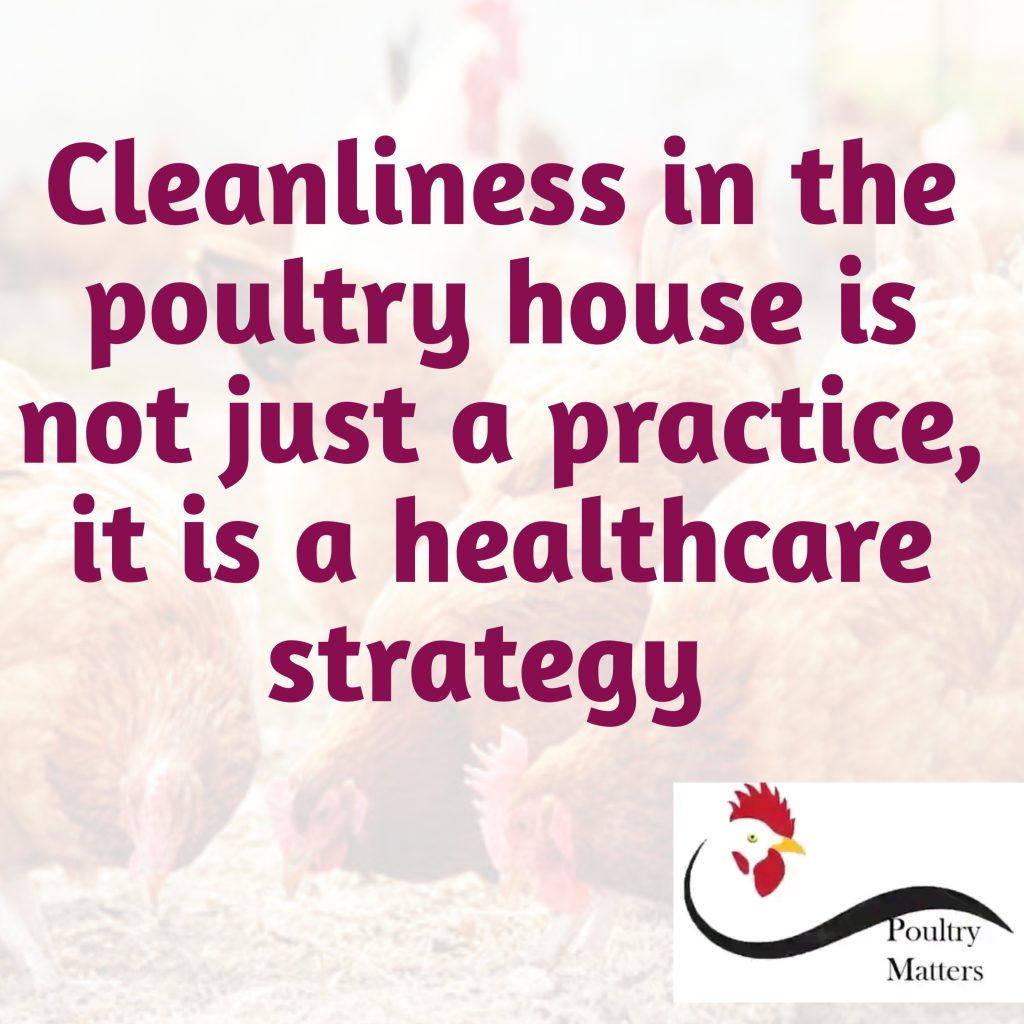
Biosecurity is not a buzzword — it is the backbone of a healthy and profitable poultry management. However, poor biosecurity remain a major vulnerability in Nigerian poultry farming, significantly affecting flock health and reducing overall profitability. Failure to implement proper biosecurity measures exposes farms to disease outbreaks, increased mortality and higher production costs, directly limiting the financial returns of poultry operations.
Unrestricted movement of people –
In many poultry farms, family members, neighbors, visitors, and workers often walk freely in and out of poultry houses without controls. The unrestricted movement increases the risk of bringing in disease agents on shoes, clothes or hands. To prevent disease entry and risk of outbreak among the flock, strict biosecurity measures must be implemented, including –
- Establish a clear line of separation: Restrict access to poultry houses to only essential, trained personnel.
- Create designated clean and dirty zones: Separate bird areas from public or non-essential spaces, and prohibit casual visitors from entering poultry zones.
- Install footbaths at all entry and exit points: Ensure they are filled with effective disinfectants and replaced daily to maintain potency.
- Provide and enforce the use of protective clothing: Workers should wear dedicated boots, aprons, or coveralls used exclusively within the poultry facility
Every time someone crosses that line, germs cross with them
Poor equipment and vehicle sanitation –
Trucks, bikes or wheelbarrows moving between farms with no sanitation is an easy way of spread harmful pathogens on the farm. Similarly are feed bags, crates, egg trays and tools shared without cleaning. Therefore to mitigate the risk the following are strongly recommended –
- Thoroughly clean and disinfect all vehicles and equipment before they enter the farm premises.
- Assign dedicated tools to each poultry house and avoid sharing equipment between units.
- Schedule feed and supply deliveries during off-peak hours to minimize human and vehicle movement around birds.
- Install wheel baths or disinfectant mats at farm gates to reduce the risk of pathogens being carried in by vehicles.
An unclean tool is like a for disease
Inadequate control of rodent, wild birds and pests –
Rodents and pests are proven carriers of poultry pathogens. — yet most farms lack pest control systems. Controlling pests and rodents in a poultry farm is not just about cleanliness—it is a frontline biosecurity measure that significantly reduces the spread of disease-causing organisms among birds. Implementing the following measures will help farmers effectively address and prevent pest-related challenges –
- Seal all holes, cracks and gaps in poultry housing to block entry points for rodents and other pests.
- Deploy rodent traps and bait stations strategically, focusing on high-risk areas such as feed stores and corners.
- Promptly clean up spilled feed and waste, as leftovers attract pests.
- Install protective netting on windows and ventilation openings to prevent access by wild birds and flying pests.
What you can’t see is often what harms your birds the most.
Neglecting personal hygiene –
Poor personal hygiene among farm workers — such as not washing hands, wearing the same clothes or using contaminated footwear across poultry houses creates a direct pathway for pathogens to enter the farm. To strengthen on-farm hygiene and reduce disease transmission, farmers should –
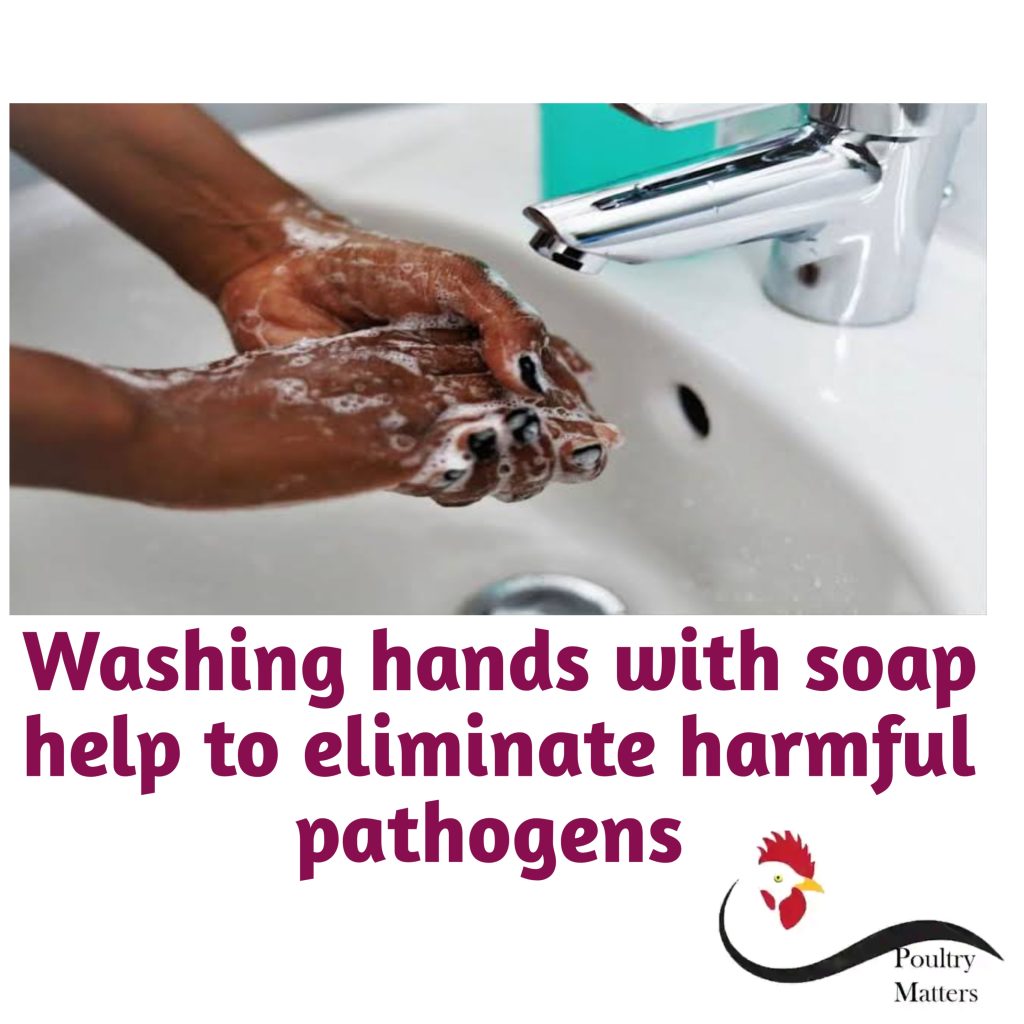
- Install handwashing stations with clean water and soap at all farm entry points.
- Provide farm-specific work clothing (such as coveralls and boots) that are used only within the poultry facility.
- Promote consistent hand hygiene practices, ensuring workers wash their hands before and after handling birds or equipment.
Your hands should not be the vehicle that spreads disease.
No quarantine for new birds –
Failure to quarantine new birds before flock integration is a common biosecurity weakness in poultry farms. Quarantine allows time to detect illness, confirm health status, and prevent the introduction of disease-causing organisms into the main flock, therefore –
- Quarantine all newly acquired birds for a minimum of 7–14 days in a separate, isolated area.
- Closely monitor quarantined birds for signs of illness such as lethargy, abnormal droppings or reduced feed intake before integration.
- Use dedicated feeders and drinkers during the quarantine period to prevent cross-contamination with the main flock.
New birds may be healthy but until proven so, treat them as risky.
Poor litters and house sanitation –
The accumulation and continuous reuse of used litter and manure without proper sanitation is a major biosecurity lapse. Used litter serves as a reservoir for disease-causing pathogens and when not adequately treated or removed, it increases the risk of infection, poor flock performance and disease recurrence in subsequent production cycles. Recommended corrective measure include –
- Remove manure and wet litter daily to reduce moisture buildup and pathogen growth.
- At the end of each production cycle, carry out thorough cleaning and disinfection, observe an appropriate downtime before introducing a new flock.
- Use approved and effective disinfectants according to recommended concentrations — plain water alone is not sufficient to eliminate disease-causing organisms.
Dirty litter does not just affect the floor, it determines the health and performance of the entire flock.
Poor water and feed hygiene –
Dirty drinkers, contaminated water sources and spoiled or improperly stored feed create ideal conditions for the growth and spread of harmful bacteria, viruses and fungi. These harmful organisms can quickly compromise bird health, reduce performance and trigger flock-wide outbreaks. To protect the health of the bird, farmer should do the following –
- Routinely clean and disinfect water lines and drinkers to prevent the buildup of biofilms and harmful microorganisms.
- Store feed in clean, dry and rodent-proof facilities to protect it from contamination and spoilage.
- Inspect feed regularly for signs of mold growth, insect infestation or moisture and discard any compromised feed immediately to safeguard flock health
Clean water and feed are the first defense against disease.

Weak vaccination record system-
A weak vaccination record system significantly undermines flock health and disease control. The absence of a clearly documented vaccination schedule and proper tracking often results in missed vaccinations, incorrect timing or improper dosing. These leave the birds vulnerable to preventable diseases and increasing the risk of costly outbreaks. However, the following measures would help the farmer –
- Develop a clear vaccination calendar and strictly adhere to it to ensure timely and effective immunization.
- Maintain accurate health records, documenting all vaccinations and treatments by date, vaccine batch number, bird age and method of administration.
- Use visual reminders, wall charts or digital phone alerts to reduce the risk of missed or delayed vaccinations.
- Train farm workers to recognize early signs of illness and report abnormalities promptly for early intervention.
If you don’t record it, you can’t improve it.
Ignoring dead birds’ disposal protocol –
Ignoring proper dead bird disposal poses serious biosecurity risks. Leaving carcasses exposed, burying them improperly, or dumping them in bushes can rapidly spread pathogens, contaminating the farm environment and neighboring areas. Best practices to adopt include –
- Use proper incinerators or deep burial pits.
- Burn or bury dead birds at least 6 feet deep and away from water sources.
- Dispose of farm waste safely and responsibly.
Dead birds can continue to spread disease — proper disposal stops the cycle.
Poor training and awareness –
Poor training and limited awareness among farmers and farm workers pose a major biosecurity risk. Without proper knowledge of modern disease prevention practices, farm personnel may unknowingly introduce pathogens, mishandle birds, or fail to implement critical hygiene measures, thereby, compromising flock health and productivity. Tips that could help correct the challenge are –
- Participate in reputable poultry workshops and training programs to stay updated on best practices.
- Follow trusted poultry experts and educators online for ongoing tips, guidance, and updates.
- Encourage all farm staff to undergo regular training to ensure consistent knowledge and adherence to biosecurity measures.
- Display clear biosecurity posters and standard operating procedures (SOPs) in key farm areas to reinforce proper practices daily.
Knowledge is your best defense against disease outbreaks.
Conclusion –
Biosecurity is not optional on the poultry farm, it is an effective tool for boosting the farm profitability. Biosecurity protects your flock and your income.
Every biosecurity lapse opens a door for disease. The good news – Most biosecurity failures can be prevented with simple, low-cost practices and consistent discipline.
As a poultry farmer in Nigeria, your goal should be:
- Zero disease entry
- Reduced production losses
- Increased flock performance
- Higher profit margins
If you found these tips helpful, share with other poultry farmers — because a healthy flock is a community win
Tag a friend, save for later or leave a comment with your own biosecurity tips.
Read more – https://poultrygist.com.ng/2024/10/biosecurity-in-poultry-farming/
https://poultrygist.com.ng/2024/10/importance-of-poultry-vaccination/