Do you really under the language of poultry business
Every successful poultry farmer speaks the language of the business — not just in words but in understanding.
Knowing terms like brooding, biosecurity, feed conversion ratio and mortality rate is not just technical; it is the foundation for smart decision, healthy flock and profitable result. The more fluent you are in the language of poultry, the more confident and successful you become in running your farm.
Here are some terms the farmer must know with clear understanding of the differences –
General poultry terms –
- Poultry – Domestic birds raised for meat or eggs – examples: chicken, turkey, duck.
- Chick – A young poultry usually less than six weeks old
- Broiler – layer (male gender) raised for meat.
- Layer – Chicken (female gender) raised mainly for egg production.
- Cockerel – Young male chicken below one year.
- Pullet – Young layer not yet laying eggs.
- Hen – mature female chicken that lay eggs.
- Rooster (Cock) – Mature male chicken used for breeding
- Flock – A group of birds kept together
- Breed– birds with similar physical and productive traits.
Poultry housing and equipment terms –
- Poultry House – A structure where birds are kept. The poultry house could either be deep litter or cage system.
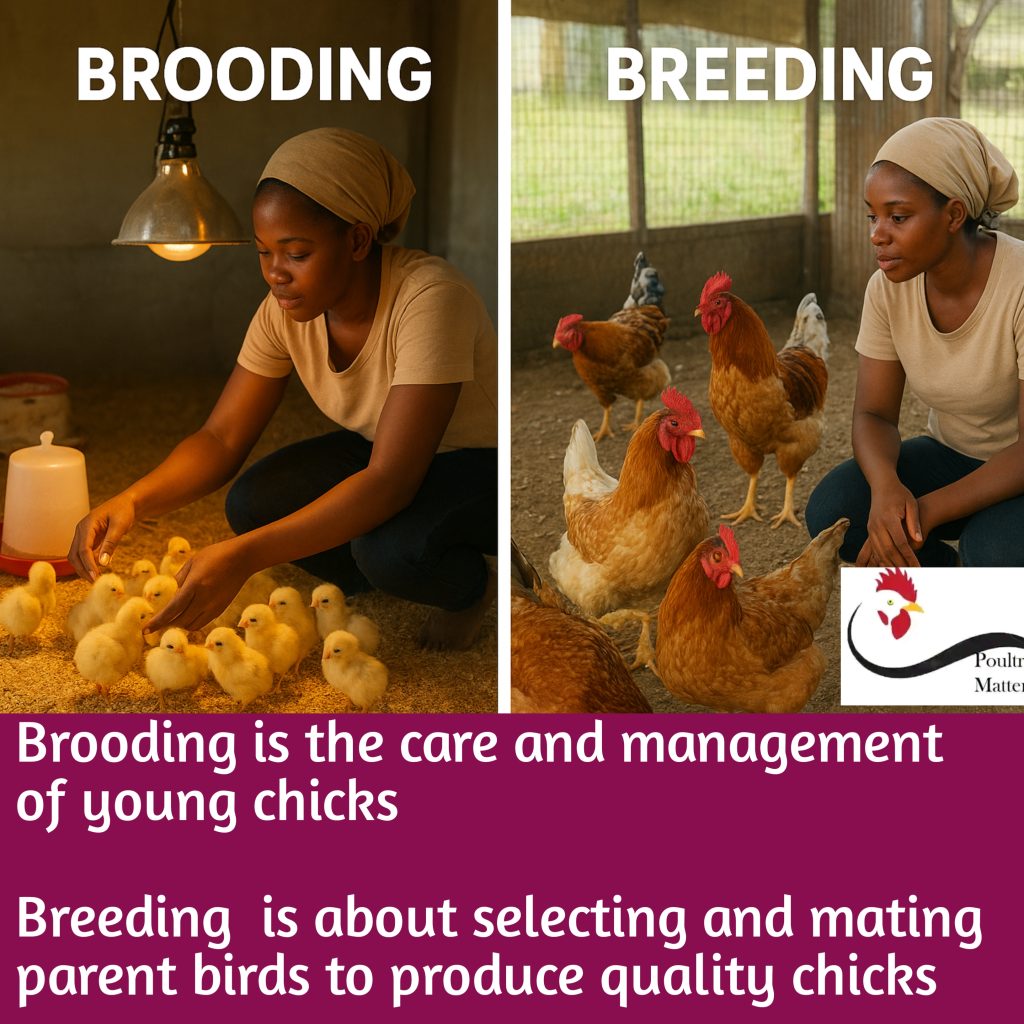
- Brooder – Heated enclosure for chicks
- Brooding -Process of keeping chicks warm after hatching
- Perch – Rod for birds to rest or roost on.
- Feeder – Equipment for serving feed
- Drinker – Container for providing clean water
- Ventilation – Flow of air in and out of the poultry house
- Litter – Material (example – wood shavings) spread on the floor to absorb waste
- Cage system – Housing made for the birds with wire cage
- Deep litter system – Housing system for the birds on litters spread across the floor
Feeding and nutrition terms –
- Feed – Food given to poultry
- starter feed – Feed with high protein content for chicks
- Grower feed – Feed for adolescent birds
- Finisher feed – Feed for broiler birds at the last stage before marketing.
- Layer Mash– Feed specifically designed for egg laying hens
- Feed Conversion Ratio (FCR) – This is the measure of how efficiently a poultry converts feed into body weight, calculated as the amount of feed consumed divided by the weight gained.
- Protein – Essential nutrient for muscle development and growth
- Energy feed – Ingredients like maize (carbohydrate) providing calories
- Minerals – Nutrient for bones and eggshells.
- Premix – Vitamins and minerals added to feed
Health management terms
- Vaccination – Protecting the birds against diseases with vaccines
- Biosecurity – measures to prevent disease entry and spread among the birds
- Quarantine – Isolating sick or new birds from the general flock for a while
- Mortality rate – Percentage of birds that died compared to the total flock size
- Sanitation – keeping the environment clean
- Parasite – Organisms that feeds on the birds – example are mites and worms
- Disinfectant – Chemical that kill germs
- Culling – Removing weak and unproductive birds from among the flock
- Stress – Condition that reduces the birds performance
- Deworming – Giving medicine to remove worms
Breeding and hatchery terms-
- Fertile eggs – Eggs that can hatch into chicks
- Incubation – Keeping eggs under heat and humidity till they hatch.
- Hatchability –Percentage of fertile eggs that hatch
- Candling – Checking eggs fertility with light
- Sexing – Determining the chick gender
- Cross breeding – Mating different breeds for better traits
- Selective breeding – Choosing the birds birds to reproduce
- Hatchling – Newly hatched chick
Production and management terms –
- Egg production rate – Number of eggs laid per period
- Feed intake – Feed consumed daily by each bird
- Growth rate – Speed of body weight gain.
- Stock density – Number of birds per space
- Record keeping – Documenting farm activities for farm data and tracking to support strategic decision.
- Profit – Difference between income and cost.
- Batch – Group of birds raised together.
- Turnover – Total revenue from sales
- Farm audit –Routine check on performance and hygiene
- Market weight – Ideal selling weight of birds.
Marketing and business terms –
- Value chain – stages from production to marketing
- Demand – Effective market need for poultry products
- Supply –Available poultry products for sale
- Middlemen – People (individual or organization) who buy directly from the farm and resell to retailers/ final consumers
- Branding – Creating a unique business identity
- Niche market – Specialized market audience
- Processing – Involve converting live poultry into safe, high-quality meat and value-added products suitable for consumptio
- Cold chain – A temperature-controlled system used for storing and transporting poultry products to maintain freshness, prevent spoilage and ensure food safety from the farm to the consumer.
- Marketing strategy – well-defined plan that outlines how poultry products will be promoted, priced, distributed and sold to achieve maximum profitability and market growth.
- Sustainability – The responsible management of poultry farming practices to ensure long-term productivity and profitability while conserving natural resources, protecting the environment, and supporting community welfare.
Why is it necessary for the poultry farmer to understand the business language
It is essential for a poultry farmer to understand the language of the trade because it builds competence and confidence in managing the business. Knowing key terms and industry concepts helps farmers communicate effectively with suppliers, veterinarians and customers. It enables the farmer make informed decisions and avoid costly mistakes. In essence, understanding the language of poultry farming empowers a farmer to operate professionally, stay competitive and achieve sustainable growth.
Conclusion
Mastering these essential poultry farming terms helps you understand your birds better, improve management and make smarter business choices.
At Poultrygist, we believe that knowledge is the foundation of success. The more you understand the language of the business, the better equipped you are to build a profitable and sustainable farm.
Follow Poultrygist for more practical poultry insights, tips and success strategies.
Read more about who a poultry entrepreneur is https://poultrygist.com.ng/2025/10/thinking-like-a-poultry-entrepreneur-not-just-a-farmer/
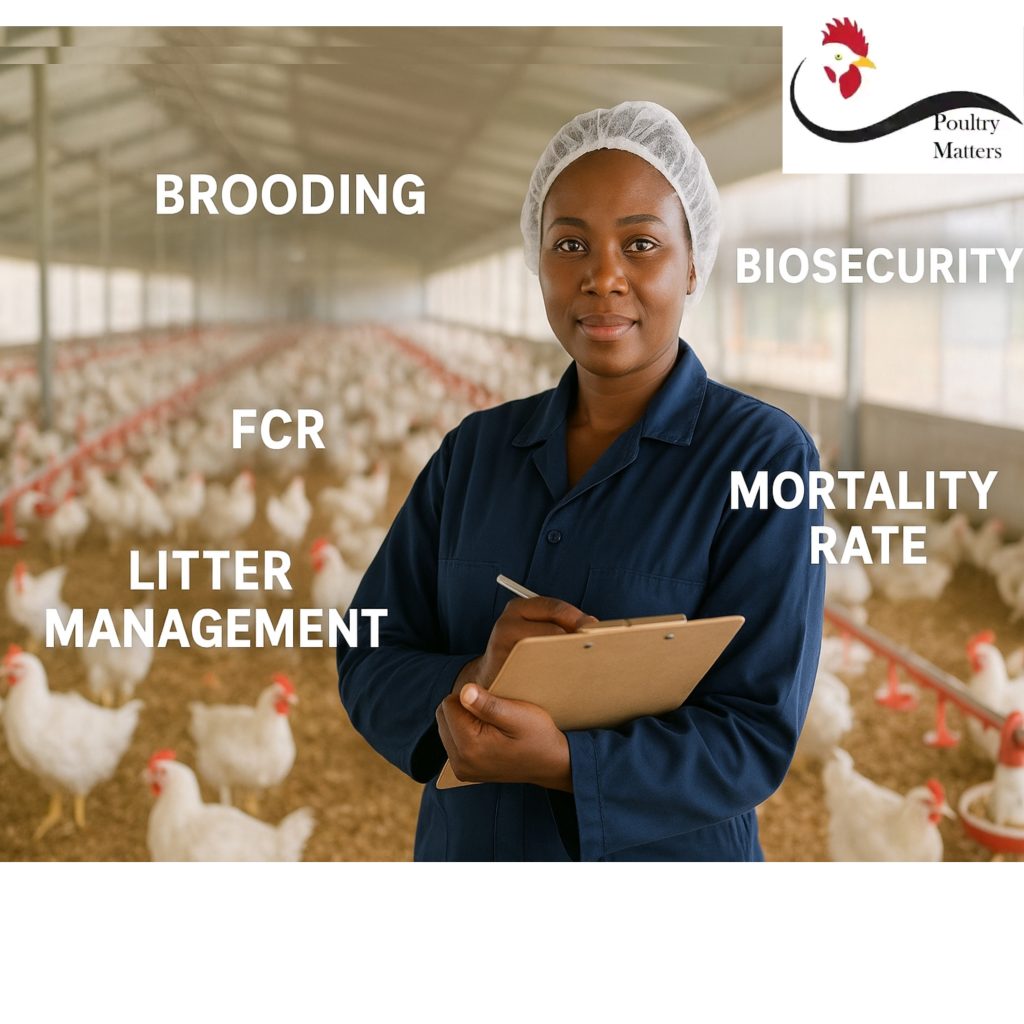
Understanding the language of poultry farming is what separates hobbyists from professionals.