.
Poultry Farming Beyond Chickens: Exploring Profitable Bird Varieties
When people think of poultry farming, chickens, particularly broilers and layers, often come to mind. While they are the most popular and widely raised birds in the industry, poultry farming actually goes far beyond chickens. A variety of other birds can be farmed profitably, offering unique advantages and excellent returns on investment.
What Exactly Are Poultry Birds?
Poultry refers to any domesticated bird kept for the purpose of producing meat, eggs, or feathers. These birds play a vital role in agriculture by contributing to food security, income generation, and rural livelihoods. With the ever-increasing demand for animal protein, poultry farming continues to be a smart venture for both small-scale and commercial farmers. However, the purpose of poultry farming goes beyond meat and egg production, poultry birds serve a range of valuable purposes, such as:
- Pest Control: Birds like guinea fowl naturally feed on ticks, insects, grasshoppers, and even small snakes—helping to manage pests around the farm.
- Security Alerts: Geese are known for their sharp vision and territorial behavior. They serve as natural “guard animals” that alert farmers to intruders or disturbances.
- Companionship and Ornamental Value: Birds like pigeons, ducks, and peacocks are often kept as pets or ornamental birds due to their calm nature and beauty.
Key areas of poultry farm management
To successfully rear any type of poultry bird, the farmer must prioritize proper management in these core areas –
- Housing: Safe, secure, and species-appropriate housing is vital. Birds need adequate space, protection from harsh weather, and proper ventilation.
- Health Care: A comprehensive health plan—covering vaccinations, deworming, and biosecurity—is essential to prevent disease outbreaks.
- Feeding: Birds should be fed a balanced, nutrient-rich diet tailored to their growth stage and species to ensure optimal productivity.
- Clean Water Supply: Fresh, clean water should be available at all times to support digestion, hydration, and disease resistance.
- Marketing & Sales Strategy: Understanding your market, that is, your customers’ needs, purchasing habits, taste and preferences is key to developing a profitable sales plan.
Other poultry birds worth considering to raise – Here are some additional poultry birds you can raise. However, each bird is with its unique appeal and economic potentials:
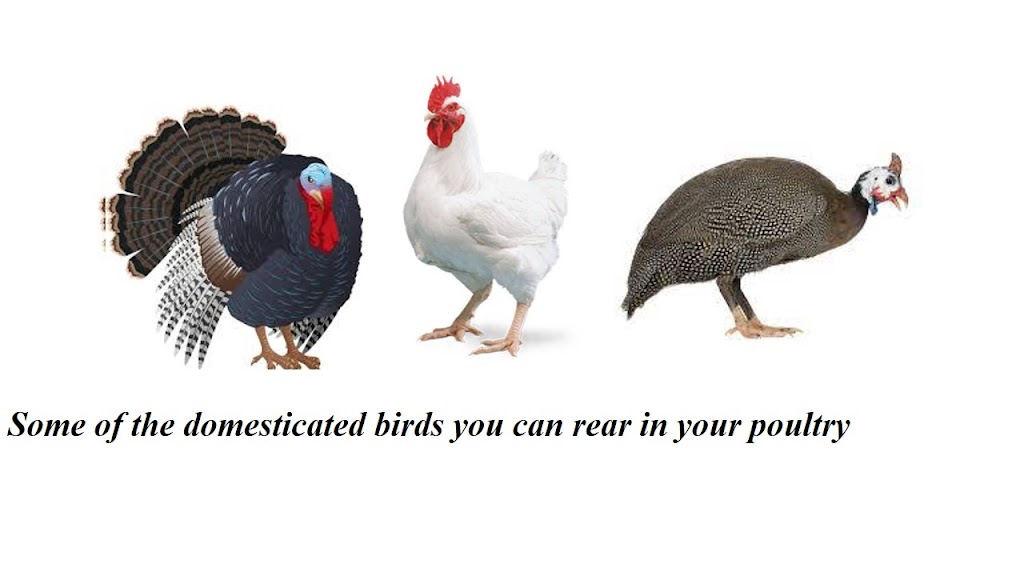
- Turkeys – Highly profitable, especially during festive seasons.
- Guinea Fowls – Hardy birds with strong market demand; great for pest control.
- Ducks – Suitable for both meat and egg production; adapt well to wet environments.
- Geese – Good for meat, feathers, and natural security.
- Quails – Fast-growing and ideal for small spaces; high market value.
- Ostriches – High meat and skin value; requires more space and investment.
- Peacocks – Kept primarily for ornamental purposes; prized for their beauty.
NB: Each bird species comes with its own feeding pattern, housing needs, health risks, and marketing channels — so proper research and planning are crucial before venturing into raising any of them.
Why explore other birds beyond chicken – Though broiler chicken and layer are most popularly raised by many poultry farmers, however, there are also juicy opportunities in raising the other birds. Diversifying into other poultry birds can help you:
- Tap into niche markets with less competition.
- Spread your risk across multiple income streams.
- Maximize use of space, resources, and farm potential.
Poultry farming is a rewarding venture when approached with the right knowledge, commitment, and strategies. Whether you’re a hobbyist, small-scale farmer, or large-scale investor, expanding your poultry venture beyond chickens could be the next big step.
Have you raised any of these birds before? Share your experience, questions, or insights in the comments—we’d love to hear from you!
Stay tuned for more tips, and let’s grow your poultry business together!
Ciao for now